Can Ceramic Coating Stop Sun Damage on Luxury Paint?
Quick Summary
Ceramic coatings reduce the rate at which UV and heat break down a car's clear coat, but they cannot block all sun damage. The strongest approach for protecting luxury paint combines shade parking, regular gentle washing and a durable coating suited to how the vehicle is used.
- UV rays break down the polymers in the clear coat, causing softening, haze and oxidation over time.
- Parking in a covered garage or shaded carport reduces UV load more than any product you can apply.
- Wash in shade with a pH-neutral shampoo and dry promptly with a clean microfiber towel.
- Ceramic coatings are typically durable for years, with real-world results depending on preparation and products used.
- Mild oxidation can often be corrected by polishing, while peeling clear coat usually requires professional repair.
Table of Contents
How UV Exposure Damages Luxury Vehicle Paint
Luxury vehicles carry some of the most sophisticated paint systems on the road, yet they are just as vulnerable to ultraviolet radiation as a basic economy car, which makes protecting luxury paint a real priority in sunny regions. Arizona's sun makes that vulnerability impossible to ignore. Sun damage to paint usually starts in the same place.
Paint on modern vehicles is a layered system. A primer sits on the metal, a base coat carries the color, and a clear coat provides the gloss and the protective skin. UV rays penetrate the clear coat and break down the polymers that hold it together. Over time the clear coat softens, loses its ability to reflect light evenly, and begins to chalk and oxidize.
Dark colors, deep metallic finishes and pearlescent paints tend to show this breakdown more clearly, since their visual impact depends on the clarity and depth of the top layer. Luxury finishes are often multi-stage, which means more layers that can be affected.
Heat accelerates the process. Surface temperatures on a dark vehicle parked in direct desert sun can climb well above ambient air temperature, and that heat speeds up the chemical reactions that degrade the clear coat. The combination of UV and heat is what makes Arizona a demanding environment for any exterior finish.
Signs of Sun Damage, Fading and Paint Oxidation
Sun damage rarely appears overnight. The first signs are often subtle, and many owners notice them only after the finish has lost much of its original depth. Early indicators include a slight haze across the paint, a loss of reflectivity in direct light and a finish that looks flat compared with the same panel on a shaded part of the vehicle.
As oxidation progresses, the clear coat can take on a chalky or powdery appearance, particularly on horizontal surfaces such as the hood, roof and trunk lid. Rubbing a finger across the affected area may leave a faint residue. Once the clear coat begins to peel or flake, the damage has moved beyond cosmetics and into the territory where the paint needs professional correction.
Fading is most visible on reds, blues and darker metallics. Owners often describe the color as looking washed out or muddy rather than simply dull. Check the vehicle in both direct sunlight and shade, since oxidation that is hard to see indoors can become obvious outdoors.
How to Protect Car Paint from UV Rays Day to Day
The most effective approach to protecting luxury paint is simply limiting exposure. Parking in a covered garage or a shaded carport reduces the UV load on the finish more than any product you can apply. When shade is not available, a reflective windshield sunshade protects the interior and keeps the dashboard from baking, which also helps reduce the heat transferred to the body panels nearby.
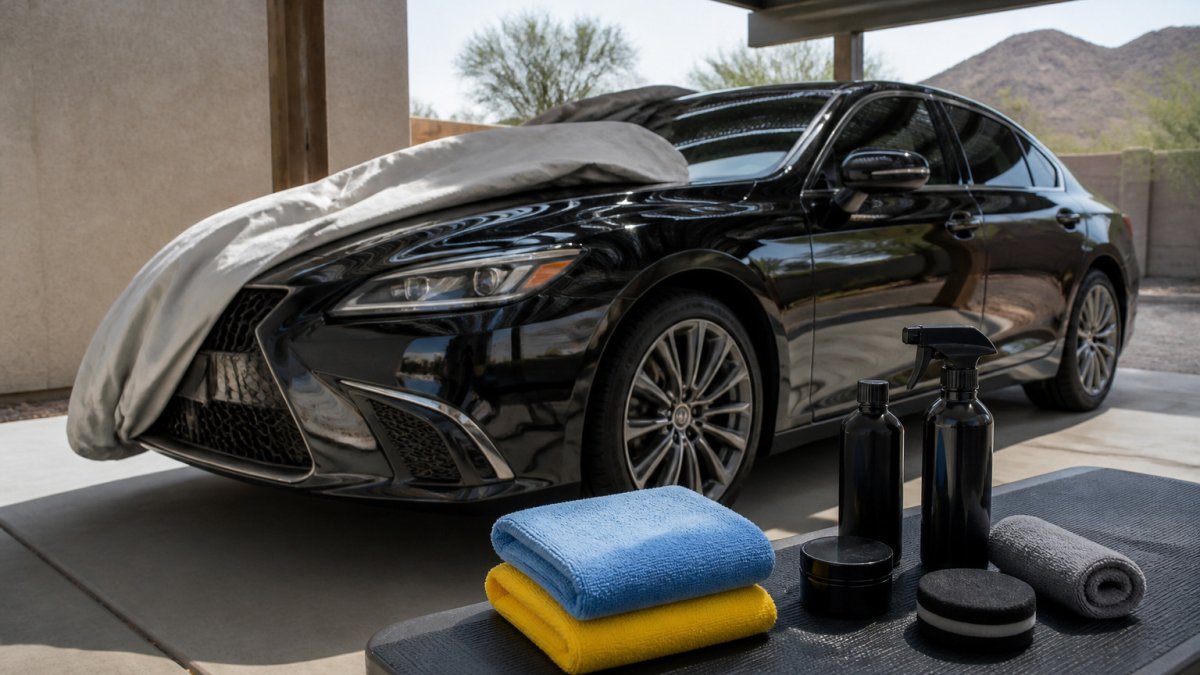
A quality car cover helps on longer parking periods, but choose one made from breathable material. Covers that trap moisture against the paint can cause their own problems, including staining and surface marring. Remove the cover before washing, and never drag it across a dirty finish.
Regular washing and drying matter because contamination sitting on the paint, including road grime, bird droppings and dust, can etch into the clear coat when baked by the sun. Wash in shade, use a pH-neutral car shampoo, and dry the vehicle with a clean microfiber towel before the water evaporates.
Applying a protective layer also helps. Wax, sealant and coatings each add a barrier between the clear coat and the environment, but they differ considerably in how long they last and how much protection they provide.
Comparing Wax, Sealants, Ceramic Coatings and Paint Protection Film
Each protective option makes a different trade-off between cost, durability and appearance. The table below summarizes how they compare for owners in high-sun environments.
| Option | Typical Durability | UV Protection Level | Maintenance | Best For |
|---|---|---|---|---|
| Carnauba wax | Weeks to a few months | Low | Frequent reapplication | Show cars and enthusiasts who enjoy hands-on care |
| Synthetic sealant | Several months | Moderate | Periodic reapplication | Daily drivers wanting an easy routine |
| Ceramic coating | Typically years | Moderate to high | Regular washing with proper products | Owners wanting long-term gloss and hydrophobic behavior |
| Paint protection film | Several years | High on covered areas | Careful washing, eventual replacement | High-impact areas and front-end protection |
Wax delivers excellent gloss but breaks down quickly under intense sun, so it suits owners willing to reapply often. Sealants last longer and offer more consistent protection. Ceramic coatings form a harder, more durable layer, though their real-world performance depends heavily on preparation, application quality and the products used afterward. See a direct hybrid resin vs ceramic coating durability comparison before choosing between them. Paint protection film is a physical barrier that excels at shielding against chips and abrasion, and it can also reduce UV contact on the film-covered surface.
Our view is that no single product solves everything. The strongest approach for a luxury vehicle in Arizona combines shade, regular cleaning and a durable coating matched to how the car is used.
Best Car Paint Protection for Hot Climates
In hot climates, the best protection is the one that remains intact through repeated heat cycles. Read the ceramic coating heat durability guide for Arizona to see how coatings hold up under desert sun. Owners in desert conditions should look for products tested against prolonged UV and heat exposure and should be cautious of claims that are not backed by independent testing.
Guardian Automotive Coatings uses a Hybrid Resin Coating designed for demanding environments. The company reports up to 20 times more UV protection than ceramic coatings, greater than 99% integrity after 2,000 hours of UV and moisture exposure, and a 99.8% gloss reading. Buyers should ask for the underlying test documentation before deciding. The coating is also described as allowing repairs and reapplication after severe damage.
Keep in mind that even the strongest coating does not replace shade. For a side-by-side look at alternative protection options in desert heat, see the XPEL alternatives comparison. Vehicles parked outdoors all summer will still accumulate heat and UV exposure that no coating can fully block.
How to Wash a Car in Hot Weather Without Damaging the Finish
Washing in Arizona heat requires more care than in milder climates. Water evaporates quickly from a hot panel, leaving mineral deposits and spotting behind, and soap can dry onto the surface before you rinse it. Wash early in the morning or in the evening, when the paint is cooler.
Work panel by panel with a soft wash mitt and two buckets, one with soapy water and one with clean rinse water. Rinse the mitt often to keep grit away from the paint. Rinse thoroughly, then dry with a clean microfiber drying towel, working quickly so the surface does not spot.
Avoid automatic car washes with abrasive brushes, which can introduce swirl marks that become more visible as the clear coat ages. A common mistake is using dish soap, which strips protective layers and leaves the paint exposed.
Professional Installation, Warranties and Ownership Costs
Professional installation makes a large difference in how a coating performs. Surface preparation, including decontamination and paint correction where needed, determines how well the coating bonds. A coating applied over contaminated or oxidized paint will not reach its potential, regardless of the product.
Warranty terms vary considerably between providers. Our guide to whether ceramic coating is worth the cost walks through ownership costs over time. Pricing depends on quantity, dates and scope of work, so request a written quote from Guardian Automotive Coatings for current prices.
Booking a Hybrid Resin Coating Consultation for Your Vehicle
If you own a luxury vehicle, boat or collector car in Arizona and want to understand what protection makes sense for your finish, start with a consultation. Guardian Automotive Coatings can assess your paint condition, explain the options for your use case and provide a written quote. Contact the team through the website to schedule a consultation and ask for the current pricing and warranty details before you commit. Follow the step-by-step path to get a professional hybrid coating quote to see what to prepare before the consultation.
Frequently Asked Questions
How does sun exposure damage luxury car paint?
Ultraviolet light breaks down the clear coat, the transparent top layer that protects the color beneath it. Over time this causes fading, dullness and a chalky look called oxidation. Heat accelerates the process, which is why vehicles parked outdoors in Arizona's summers often show damage sooner than those kept in shade or a garage. Luxury finishes with deep colors and high-gloss clear coats tend to show these changes faster, so early protection matters more for them.
Does ceramic coating protect car paint from UV rays?
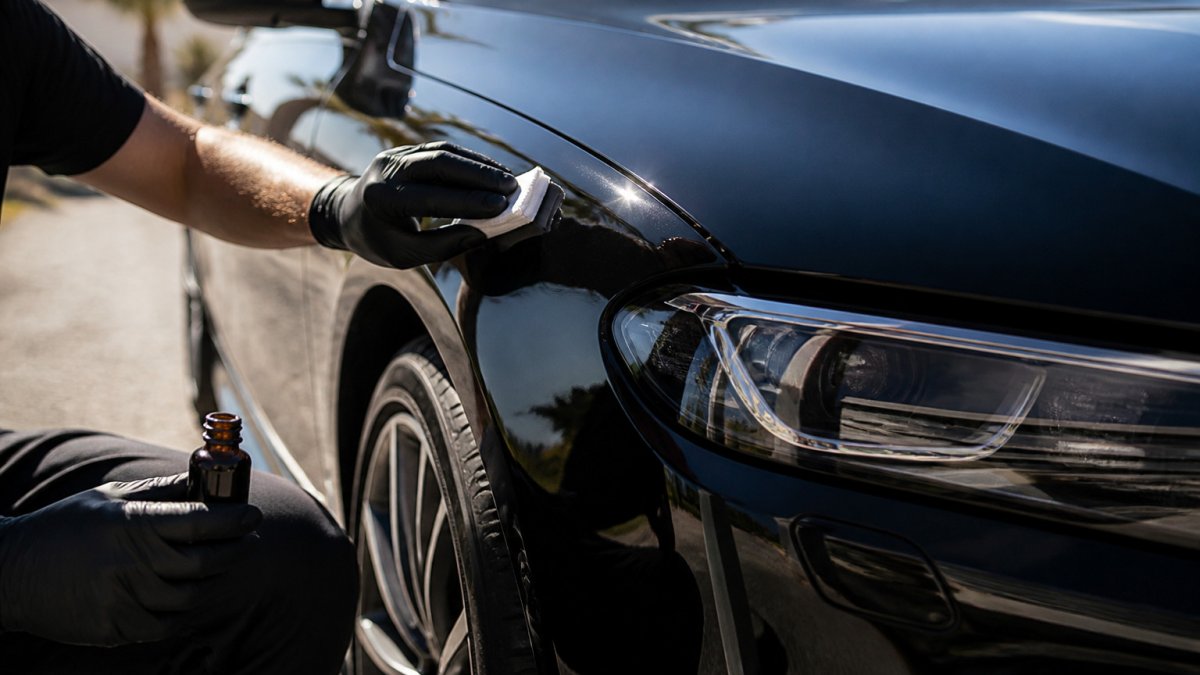
Yes, a ceramic coating adds a sacrificial layer that helps shield the clear coat from UV exposure and makes contaminants easier to remove. Protection depends on the product, how well the surface was prepared and how well the coating is maintained. Guardian Automotive Coatings offers a Hybrid Resin Coating. Contact Guardian Automotive Coatings directly for current specifications before deciding.
Is paint protection film or ceramic coating better for sun protection?
Paint protection film is a physical barrier that works well against chips and abrasion, while a coating focuses on chemical resistance, gloss and easier cleaning. For UV protection, the right choice depends on the vehicle, how it is driven and parked, and the finish you want to keep. Many owners compare both options with a qualified installer who can inspect the paint first and explain the trade-offs for their specific car.
Can faded or oxidized car paint be restored?
Light oxidation can often be improved with paint correction, which removes a thin layer of damaged clear coat to restore gloss. Severe fading or clear coat failure may require more extensive repair or repainting. Starting with a professional inspection helps determine whether the damage is surface-level or deeper. Once the paint is restored, applying a protective coating or sealant helps slow future damage and keeps the finish looking better for longer.
How often should I wash and wax a car exposed to intense sun?
Vehicles parked outdoors in hot, sunny conditions usually benefit from washing every one to two weeks, and more often if dust, road grime or bird droppings build up, since these can etch paint when baked by the sun. Wax or sealant should typically be reapplied every few months, depending on the product and exposure. Washing in the cool of the morning or evening, using a pH-neutral soap and a two-bucket method, reduces swirl marks and protects the finish.


