Alternatives to Wax for Long-Term Car Paint Protection
Quick Summary
The best alternatives to wax for long-term car paint protection are synthetic paint sealants, which chemically bond to the clear coat and last several months, and ceramic or hybrid resin coatings, which can last years when properly applied and maintained. Paint protection film adds impact defense for high-damage areas.
- Carnauba wax typically lasts only weeks to a few months before breaking down.
- Synthetic sealants chemically bond to the clear coat and last several months.
- Ceramic coatings commonly last years, depending on quality, storage and care.
- Surface preparation before application largely determines how long a coating lasts.
- Coatings reduce UV and contaminant damage but cannot stop rock chips or deep scratches.
Table of Contents
- Paint Sealant vs. Wax: Durability and Maintenance Compared
- Ceramic Coating vs. Wax: Protection Limits and Gloss
- How Long Does Ceramic Coating Last in Arizona Conditions?
- Does Ceramic Coating Prevent Paint Fading?
- Paint Protection Film and Hybrid Resin: Where Each Fits
- Choosing the Right Long-Term Protection for Your Vehicle
- Frequently Asked Questions
How Long Does Car Wax Actually Protect Paint?
Most car owners who rely on traditional wax get a few weeks to a few months of real protection before it breaks down. For drivers wanting alternatives to wax for long-term car paint protection, that gap is the core problem to solve.
Carnauba wax, the most common natural option, is a soft organic layer sitting on top of the clear coat. It adds gloss and water beading, but it does not bond to the paint. Heat, washing and UV exposure wear it away steadily. In a hot climate like Phoenix or Tucson, the surface can soften and degrade faster than in milder regions.
The practical limits of wax come down to a few points:
- Thin protection: A single wax layer is measured in microns, so it offers little physical barrier against stone chips or abrasion.
- Frequent reapplication: Wax typically needs refreshing every few weeks to a few months, depending on exposure.
- Limited UV defense: Wax reduces some UV impact but does not provide the sustained shielding that prevents oxidation and fading.
Watch out: Waxing in direct desert sun can bake the product onto the paint before it levels, leaving streaks that are hard to remove.
Overview of automotive paint clear coat and UV damage
Paint Sealant vs. Wax: Durability and Maintenance Compared
A paint sealant is a synthetic polymer that chemically bonds to the clear coat. Compared with wax, it lasts longer and resists washing and environmental wear better. Many drivers find sealants a practical step up from wax, though they still need periodic renewal.
Sealants typically offer several months of protection, while wax often lasts only weeks.
| Factor | Carnauba Wax | Synthetic Sealant |
|---|---|---|
| Typical lifespan | Weeks to a few months | Several months |
| Bonding | Sits on surface | Chemically bonds |
| Maintenance | Frequent reapplication | Periodic renewal |
| Gloss | Warm, deep | Sharp, reflective |
Maintenance is where sealants separate from wax. Applying sealant takes careful surface preparation, and a poor prep job shortens its life. Owners who want a routine they can keep up should plan for reapplication every few months rather than every few weeks.
Many owners prefer sealant for daily-driver durability. Enthusiasts who enjoy the ritual of waxing may still choose wax for its depth of finish.
Ceramic Coating vs. Wax: Protection Limits and Gloss
Ceramic coating is a liquid polymer that cures into a hard, glass-like layer on the paint. Among alternatives to wax for long-term car paint protection, it is widely used for UV, oxidation and chemical etching defense when properly applied.
The main differences from wax:
- Durability: Ceramic coatings commonly last years, not weeks, depending on quality and care.
- Hardness: The cured layer resists light swirl marks and resists some minor abrasion better than wax.
- Gloss: Coatings produce a sharp, reflective finish with strong water beading.
Protection has limits, though. A ceramic coating will not stop rock chips, deep scratches or hail damage. It reduces the effects of UV and contaminants, but it does not make paint impervious. Owners should also expect that a coating needs proper washing and maintenance to keep its performance.
Guardian Automotive Coatings offers a Hybrid Resin Coating, and its independent testing reports a 99.8% gloss reading.
Choosing between wax and a coating usually comes down to how long you want protection to last and how much prep work you will accept.
How Long Does Ceramic Coating Last in Arizona Conditions?
A single "lasts X years" number is the least useful way to think about coating durability. Real-world lifespan is a range set by four variables: how the vehicle is stored, how much sun and heat it absorbs, how it is washed, and how well the paint was prepared before application. The same coating can last a range of years depending on those inputs.
Storage is the biggest lever. A garaged car that sees weekend use holds a coating far longer than a commuter parked outdoors eight hours a day. In a high-UV, high-heat climate, an outdoor-parked vehicle may need inspection and refresh years sooner than a shaded one. Surface temperatures on dark paint in summer can climb well above air temperature, and that sustained heat accelerates the breakdown of any protective layer.
Prep determines the ceiling. Coating bonds to what is underneath it. If the paint carries embedded contamination, swirls, or old wax residue, the coating sits on top of that layer instead of the clear coat and fails early. A proper decontamination wash, clay treatment, and, where needed, machine paint correction before application is not optional; it is the difference between a coating that lasts and one that sheets off in patches.
Washing habits decide the floor. pH-neutral soap, a clean microfiber mitt, and no harsh automatic brushes keep the coating intact. In dusty conditions, skipping maintenance washes lets abrasive particles work into the surface and scratch the coating, which shortens its life and dulls gloss.
Curing and environment matter at installation. Coatings need controlled conditions to cure, moderate temperature, low humidity, and no water exposure for the first day or so. Applying in direct sun or high humidity can leave streaks or an uneven cure that never fully hardens.
Expect a well-applied coating on a garaged, carefully washed vehicle to hold for several years, and an outdoor-parked daily driver in intense sun to need inspection and possible refresh sooner. Ask any installer what prep they include and what maintenance they require, those two answers predict lifespan better than the headline durability claim.
UV index and heat exposure guidance for Arizona
Does Ceramic Coating Prevent Paint Fading?
Ceramic coating can reduce paint fading, but it does not eliminate it, and no coating blocks all UV. Read the full guide on whether coatings prevent paint fading
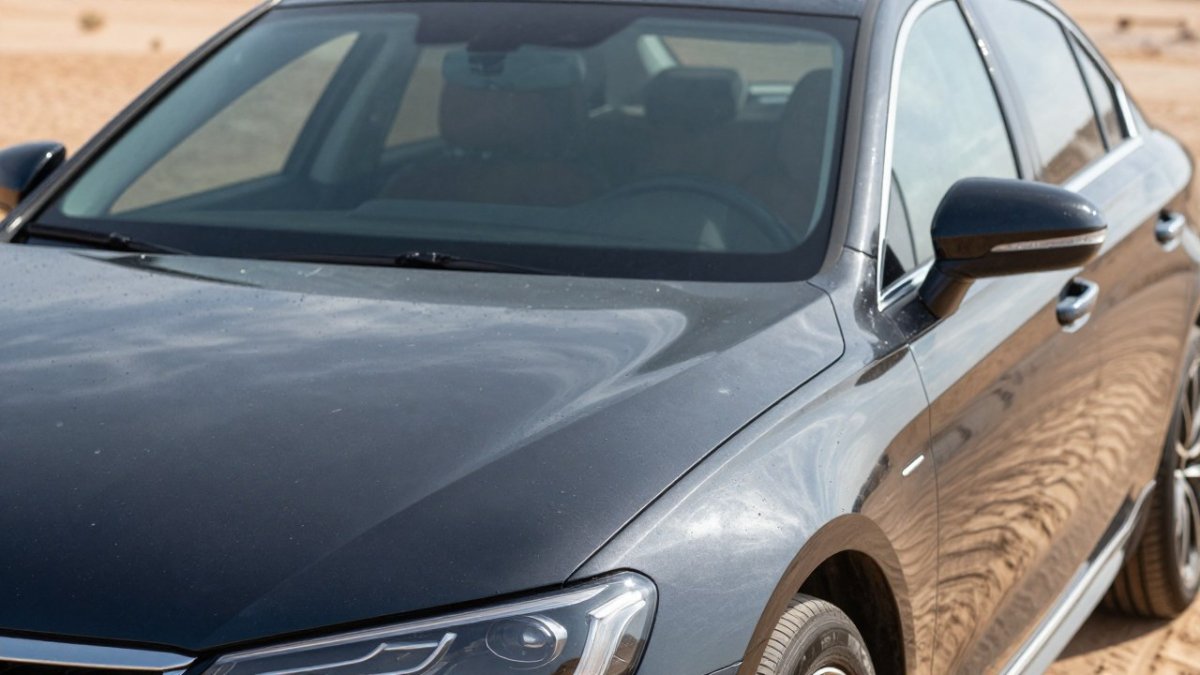
Fading happens when UV light breaks down pigments and clear coat. Over time, the coating itself can degrade, so regular inspection and maintenance matter.
Many drivers ask whether a coating will protect against UV rays specifically. It reduces exposure considerably, but it is one layer among several factors that influence fading, including parking habits and washing routine.
Research on UV degradation of automotive finishes
Paint Protection Film and Hybrid Resin: Where Each Fits
Paint protection film (PPF) is a clear urethane film applied over the paint. It is thicker and more visible than a coating, and it is typically a higher upfront investment.
Hybrid resin coatings sit between traditional ceramic coatings and film. They can be repaired or reapplied after damage. Compare hybrid resin and ceramic coating durability
Used together, PPF on high-impact zones and a coating on the rest of the vehicle is a common approach in the industry.
Choosing the Right Long-Term Protection for Your Vehicle
The right long-term alternative to wax depends less on which product is "best" and more on three questions: how the vehicle is stored, how long you plan to keep it, and how much maintenance you will actually do. A decision matrix by use case is more useful than a product ranking.
Daily driver, outdoor parking, budget-conscious. A quality synthetic sealant renewed every few months is the lowest-cost path to consistent protection. It will not match a coating's lifespan, but it is forgiving, easy to reapply, and does not require professional installation.
Daily driver, outdoor parking, long-term ownership. A ceramic or hybrid resin coating with a disciplined wash routine may be a better fit for some owners. Find out whether hybrid resin coating is worth it for a new car The catch is that the coating is only as good as the prep beneath it.
High-impact front end. Paint protection film on the bumper, hood, and mirrors addresses the damage a coating cannot: rock chips and abrasion. Many owners combine film on impact zones with a coating on the rest of the body, each product does a different job.
Leased vehicle. Check the lease terms before installing film or a coating; some agreements restrict aftermarket film, and removal at turn-in can cost money. A sealant is the lower-risk choice when the car goes back.
Collector or show vehicle. A coating that can be repaired or reapplied after damage may suit cars that are driven sparingly and inspected closely.
Total cost of ownership is the honest comparison. Add the product or installation cost, the number of reapplications over your ownership period, the maintenance products and washes required, and any removal or repair cost. Pricing depends on quantity, dates, and delivery, so request a current quote from Guardian Automotive Coatings that itemizes prep, application, and any maintenance plan.
Match the product to the damage you actually face. Chemical resistance, water repellency, scratch resistance, and impact protection are different outcomes. No coating stops rock chips, and no film prevents chemical etching the way a coating does. Decide which damage matters most on your roads and parking situation, then choose the product built for it.
For current pricing and a quote tailored to your vehicle, contact Guardian Automotive Coatings directly.
Want a protection plan matched to your vehicle? Request a quote from Guardian Automotive Coatings and we will walk through the options for your situation.
Frequently Asked Questions
What is a good substitute for car wax?
Paint sealants and ceramic coatings are the most common long-term substitutes for wax. Sealants are synthetic polymers that typically last several months and cost less upfront, while ceramic coatings bond chemically to the clear coat and can last years depending on maintenance and conditions. Paint protection film offers the most physical protection against chips and scratches but costs considerably more. The right choice depends on how long you want protection to last, how much maintenance you are willing to do, and how exposed the vehicle is to sun, dust, and debris.
Is ceramic coating really better than wax?
Ceramic coatings are generally more durable than carnauba wax, and wax needs reapplication every few weeks to a few months. Ceramic coatings do not make paint impervious to damage, however, and they still require careful washing and proper surface preparation to perform as expected.
Does ceramic coating prevent paint fading?
A ceramic coating can help reduce UV-related fading and oxidation. It does not make paint immune to fading, especially on vehicles parked outdoors in high-sun regions like Arizona. Results depend on the product, the quality of surface preparation, and how consistently the vehicle is washed and maintained. Ask any provider for documented UV test data before assuming a specific level of protection.


